Chimney, Flashing and Ridge: The Bits People Forget
When you think about your roof, you probably picture the broad slopes of tiles. But the places that actually cause trouble are the smaller details you never really look at, the chimney, the strips of flashing around it, and the ridge running along the top. These are the joins and edges, and joins are where water gets in.
You can have a roof full of sound tiles and still get a leak, because a cracked bit of pointing on the chimney or a lifted piece of flashing is all it takes. In a city that throws as much rain and wind at your roof as Manchester does, these weak points get tested constantly. Here's why they matter and what to keep an eye on.
The quick answer: The chimney, flashing, and ridge are the joins in your roof where water is most likely to get in, so they need checking and keeping clear even when the main tiles look fine.

1. The Chimney Is a Weak Point
A chimney is a big lump of brickwork sticking up through your roof, and every edge where it meets the tiles is a potential way in for water. On the older terraces and semis across Manchester, many chimneys are a century old or more, and the mortar holding the brick and pot together has often crumbled with age and weather.
Even if you no longer use the fireplace, that chimney still takes a battering. Rain, frost, and the wind coming across the city work at soft pointing and loose flaunching year after year. Moss and plants can even take root in the damp mortar, and once brick starts letting water in, it tracks down inside and shows up as damp in the bedroom below.
2. Flashing: The Strip That Does the Real Work
Flashing is the metal, usually lead, that seals the join between the roof and anything sticking through it, like the chimney or a wall. It's a small detail doing a big job, bridging the gap so water runs off instead of soaking in. When it's sound you never think about it, and when it fails you get a leak fast.
Flashing works loose over time. The lead expands and contracts through Manchester's hot spells and cold snaps, the pointing that holds it cracks, and a strong wind can lift a corner. Once that happens, water runs straight behind it and into the roof structure, often well away from where the damp finally appears inside.
3. The Ridge Along the Top
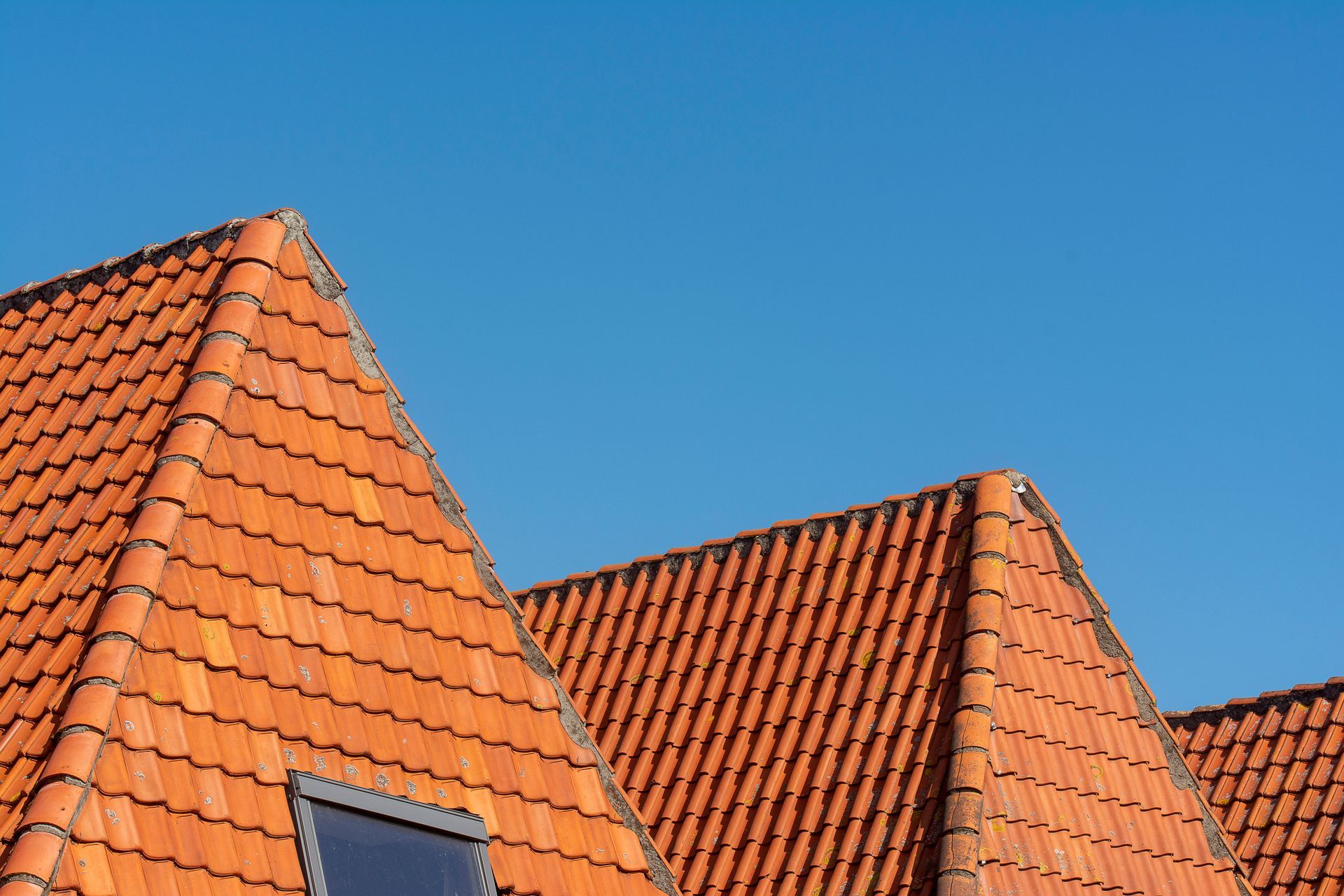
The ridge is the line of tiles capping the very top of the roof where the two slopes meet, and it's bedded on mortar. That mortar is exposed to everything, sun, frost, and driving rain, so over the years it cracks and crumbles, and ridge tiles can work loose or slip out of line.
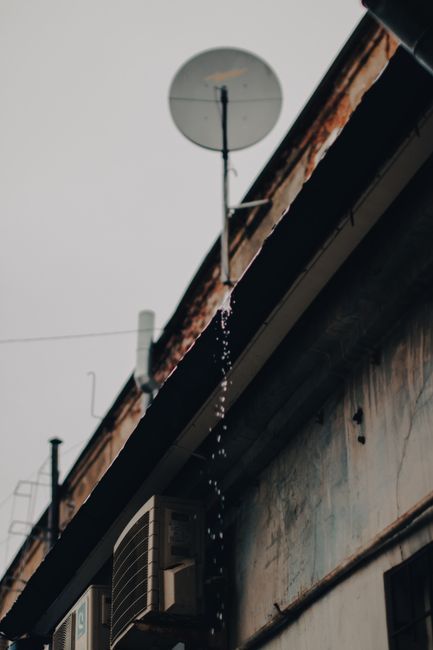
A loose ridge tile is a real hazard, because it sits right at the top and can slide off in a gale. Manchester gets its share of stormy weather rolling in off the west, and a ridge tile that's been quietly loosening for a couple of winters can come down onto the path or a parked car. It's worth knowing the state of yours.
4. Why Moss Loves These Spots
The chimney, flashing, and ridge don't just leak, they collect moss and debris too. The mortar joints and sheltered corners hold moisture and grit, which is exactly what moss needs to root, and once it's growing in a mortar joint it speeds up the crumbling that was already happening.
In the shaded, damp conditions common around suburbs like Withington and Rusholme, these spots green over fast. A soft wash clears the moss from the ridge and around the chimney, but it also matters that whoever does it knows to look at the condition underneath, because moss is often the first sign that the mortar behind it is going.
5. Spotting Trouble Early
Most of these problems are invisible from the ground until they've caused real damage inside. A damp patch on a bedroom ceiling near the chimney breast, staining down an interior wall, or bits of mortar appearing in the gutter are all signs that one of these joins is failing and letting water track in.
This is where a proper look during a roof clean earns its keep. Someone up there to clear the moss can also see the cracked flaunching, the lifted flashing, or the slipped ridge tile while it's still a small job. Catching it early on a Manchester roof, before a wet winter drives the water in, saves a far bigger repair later.
6. Keeping the Details Sound
Looking after these spots is mostly about attention rather than constant work. Keeping the ridge and chimney clear of moss, and having the flashing and pointing checked when the roof is cleaned, means small faults get spotted before they turn into leaks. It's the cheap end of roof care compared to fixing water damage inside.
None of this means you need to be up a ladder yourself, and you shouldn't be near a chimney or ridge without the right setup. It just means these details deserve the same attention as the tiles when the roof is being worked on, because in a wet, windy city they're the parts most likely to let you down first.
- Chimney joins: Old, crumbling mortar around the brick and pot is a common way for water to get in.
- Flashing fails quietly: Lifted or cracked flashing lets water run behind it into the roof structure.
- Loose ridge tiles: Cracked ridge mortar can let tiles slip, a real hazard in Manchester's storms.
- Moss marks the spot: Growth in these joints often signals the mortar behind it is already going.
- Early checks save money: Spotting faults during a clean beats fixing water damage inside later.
Frequently Asked Questions
My tiles look fine, so why would my roof leak?
Because most leaks start at the joins, not the tiles. A cracked chimney join, lifted flashing, or loose ridge tile lets water in even when the main slopes are perfectly sound.
What is flashing and why does it matter?
Flashing is the metal, usually lead, that seals the join between the roof and a chimney or wall. It stops water soaking into the gap, and when it lifts or cracks you get a leak quickly.
Are loose ridge tiles dangerous?
Yes. They sit at the very top of the roof, so a loose one can slide off in strong wind and fall onto a path, car, or person. Manchester's storms make this a real risk.
Can moss on the ridge cause damage?
It can. Moss holds moisture in the mortar joints and speeds up the crumbling, and its presence often means the pointing behind it is already breaking down and needs a look.
Do I need to fix a chimney I don't use?
Often yes. A disused chimney still lets water in through failed mortar, which tracks down inside as damp. Keeping the brickwork and flashing sound protects the rooms below.
Worried about the chimney, flashing or ridge on your roof?
Ben's Roof Cleaning cleans roofs and spots trouble at these weak points across Manchester and Greater Manchester, with over 15 years of experience. Get in touch or call 0161 388 3239
for a free, no-obligation quote.
The Small Details Keep the Rain Out
It's easy to judge a roof by its tiles and forget the joins that actually keep the water out. The chimney, flashing, and ridge do the quiet work, and they're the first things to fail on an older Manchester roof. Keeping them clear and checked when your roof is cleaned is one of the smartest bits of upkeep you can do.