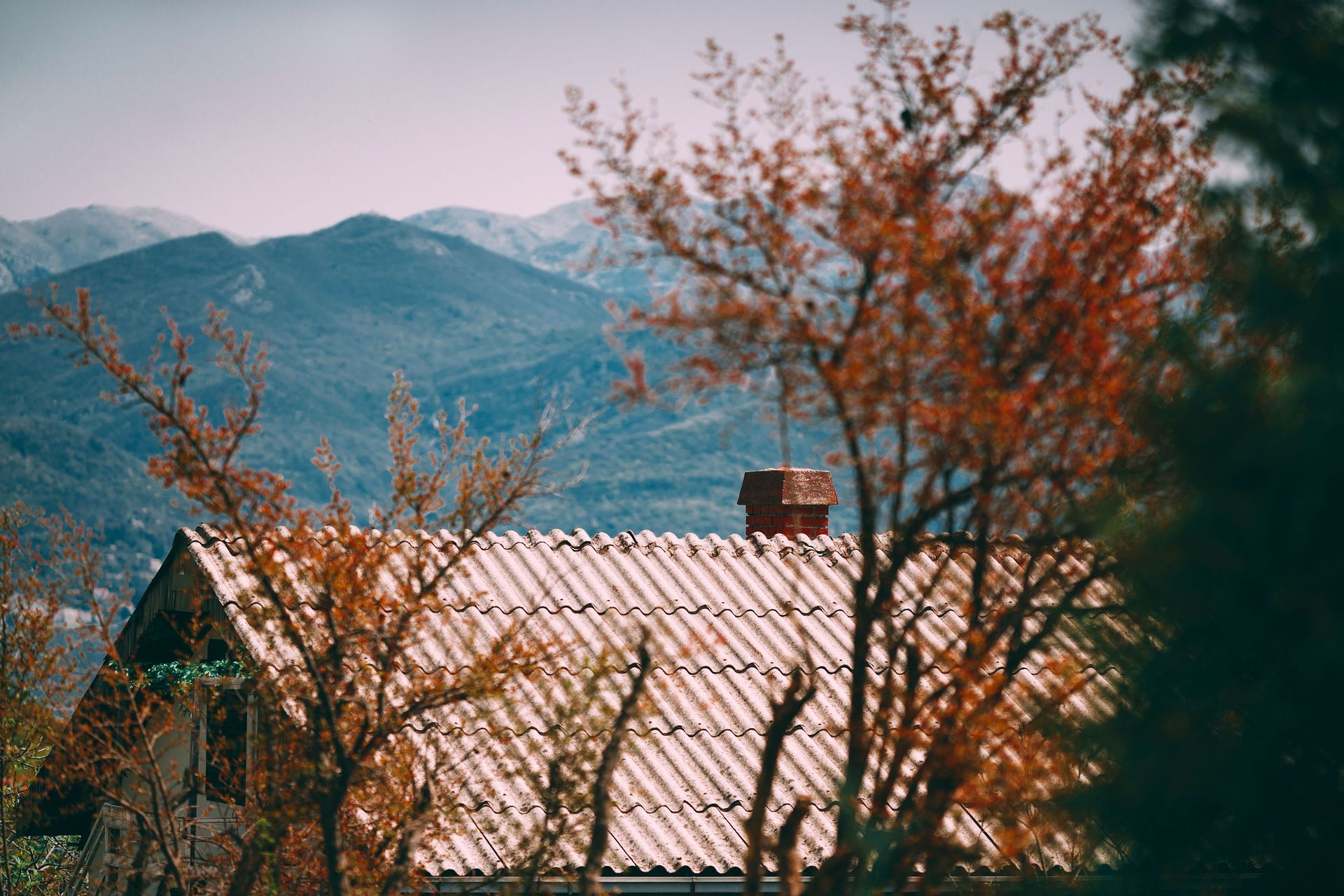
Giving Your Roof a Spring Check After Winter
You've watched the rain batter your roof all winter, and now that the mornings are getting lighter it's worth taking a proper look at what the cold months left behind. Most of us in Manchester never glance up at our own slates until something drips through a bedroom ceiling. By then the small problem has usually turned into an expensive one.
Spring is the sensible time to check, because the worst of the frost has passed and you can spot damage while there's still dry weather ahead to sort it. A roof that shrugged off a Pennine winter of driving rain and the odd hard freeze can still be hiding lifted slates, packed moss, and gutters that quietly stopped draining back in November. A short check now saves you the panic of finding out in the next downpour.
The quick answer: Give your roof a spring check by looking for slipped or cracked slates, moss build-up, blocked gutters, and damp patches inside, ideally from the ground with binoculars, and bring in a professional for anything you can't safely reach.
1. Start With a Look From the Ground
Grab a pair of binoculars and walk to the far side of the road, or into the back garden, so you can see the whole slope at once. On the older terraces around Levenshulme and Rusholme you're usually looking at Welsh slate that has been up there a hundred years or more, so you're checking for slates that have slipped out of line, gone missing, or cracked over the winter.
Pay attention to the shaded north-facing slopes, because that's where winter damp lingers longest and problems hide. If a slate has slid down even an inch, rain will find the gap. Note anything odd and where it sits on the roof so you can point a roofer straight to it later.
2. Check the Ridge, Hips and Valleys
The ridge line along the top and the valleys where two slopes meet take the heaviest hammering from Manchester's near-constant rain. Old mortar bedding on the ridge tiles cracks and washes out over a wet winter, and once it's loose the wind gets underneath. Look along the top of the roof for tiles that sit unevenly or have visible gaps in the pointing.
Valleys are worse still, because they funnel water off two slopes at once. On the bay-fronted semis common across Didsbury and Withington, leaves and grit collect in the valley over autumn and winter, and by spring they can hold water against the slate. A blocked valley is a classic cause of a leak that seems to come from nowhere.
3. Look Hard at the Moss
Manchester's damp air and shaded terrace slopes make this one of the mossiest cities in the country, so by spring your roof has probably grown a fresh green coat. A light dusting looks harmless, but thick moss holds water like a sponge against the slate and keeps the surface wet long after the rain stops. That constant damp is what wears tiles down and creeps under them.
Clumps of moss also break off and slide into the gutters, where they turn into a soggy dam. If you can see cushions of green sitting in the joints between slates, or dark streaks running down the roof, that's your sign the surface needs clearing before it does any more harm.
4. Clear and Test the Gutters
Winter fills gutters with everything the wind and rain drag down, from moss clumps to leaf mulch off the big street trees in leafy suburbs like Chorlton. By spring that lot has usually compacted into a solid, sodden mass. Water then spills over the edge instead of running to the downpipe, and it runs straight down your brickwork.
On a dry day, look for tide marks or green streaks on the wall below the gutter, which tell you it's been overflowing. If you can safely reach it, scoop the muck out and pour a bucket of water through to check it drains. Anything above a single-storey extension is a job best left to someone with the right access kit.
5. Hunt for Damp Inside
The loft tells you what the outside won't. Head up with a torch on a bright day and look for pinpricks of daylight coming through the slates, which mean gaps water can follow. Then check the timbers and the underside of the roof for dark stains, damp patches, or that musty smell that says water has been getting in.
In the older red-brick terraces built for the cotton mill workers, many roofs have no felt under the slate at all, so a single slipped tile lets rain straight onto the boards. Catching a stain now, while it's a small mark, is far cheaper than waiting for it to reach the plaster in the room below.
6. Book the Jobs You Can't Safely Reach
Be honest about what you can do from a ladder and what you can't. A wet Manchester spring leaves slates slick and mossy roofs genuinely dangerous, and a terraced roof two or three storeys up is no place to be balancing with a scraper. Most of the serious injuries from roof work happen on jobs people thought would take five minutes.
If your check turns up slipped slates, heavy moss, or gutters you can't get to, that's the point to call in a professional with the right access equipment. A soft wash, which uses low-pressure water and a biocide treatment rather than a battering jet, clears moss without cracking century-old slate. It's the safe way to reset the roof for the year ahead.
- Slipped slates: Look for tiles out of line or missing, especially on shaded north-facing slopes.
- Ridge and valleys: Check for cracked mortar along the top and debris packed into the valleys.
- Moss cover: Thick green cushions and dark streaks mean the surface is holding water.
- Gutter flow: Green streaks on the wall below point to overflowing, blocked guttering.
- Internal damp: Daylight through the slate or stained timbers in the loft signal water getting in.
Frequently Asked Questions
When exactly should I do a spring roof check?
Aim for a dry spell from late March through May, once the hard frosts have gone. That gives you settled weather to spot damage and get any repairs done before the next round of heavy rain.
Can I check the roof myself or do I need someone in?
You can do the whole visual check yourself from the ground with binoculars and from inside the loft. The moment it means climbing onto a wet or mossy slope, bring in someone with proper access equipment.
Is a bit of moss really a problem after winter?
A light film won't hurt overnight, but Manchester's damp lets moss thicken fast, and thick moss traps water against the slate and clogs gutters. Clearing it early stops that slow damage building up.
What's the difference between soft washing and pressure washing?
Soft washing uses low-pressure water with a biocide treatment to lift moss and kill off the spores. Pressure washing blasts the surface hard, which can crack old slate and force water underneath, so it's the wrong tool for a heritage roof.
How do I know if winter has actually caused damage?
The clearest signs are slates out of position, fresh damp stains in the loft, and gutters that overflow when it rains. If you spot any of those during your check, it's worth getting the roof looked at properly.
Want your roof checked over after the winter?
Ben's Roof Cleaning offers roof cleaning, moss removal, and gutter cleaning across Manchester and Greater Manchester, with over 15 years of experience. Get in touch or call 0161 388 3239
for a free, no-obligation quote.
A Spring Check Now Beats a Winter Emergency Later
Ten minutes with a pair of binoculars and a torch tells you almost everything you need to know about how your roof came through the winter. The homes that avoid nasty leaks aren't lucky, they're the ones where someone looked up in spring and dealt with the small stuff early. Give your roof that look now, and you head into another wet Manchester year knowing exactly where you stand.