How a Biocide Treatment Keeps Your Roof Cleaner for Longer
You've paid to have your roof cleaned, it looked spotless for a season, and then the green crept back before you'd really noticed. That's the frustrating part for a lot of Manchester homeowners. The cleaning worked, but it didn't last, and you're left wondering whether it was worth it at all.
The missing piece is usually a biocide treatment. Scraping and washing takes the moss and algae off the surface, but it leaves behind the microscopic spores that start the whole thing growing again. In a city as damp as this one, those spores get going fast. A biocide is what tips the odds back in your favour and keeps the roof cleaner for far longer.
The quick answer: A biocide treatment is a low-pressure chemical wash applied after cleaning that kills the moss, algae, and lichen spores left on the slate, so regrowth is much slower and your roof stays clean for years rather than months.
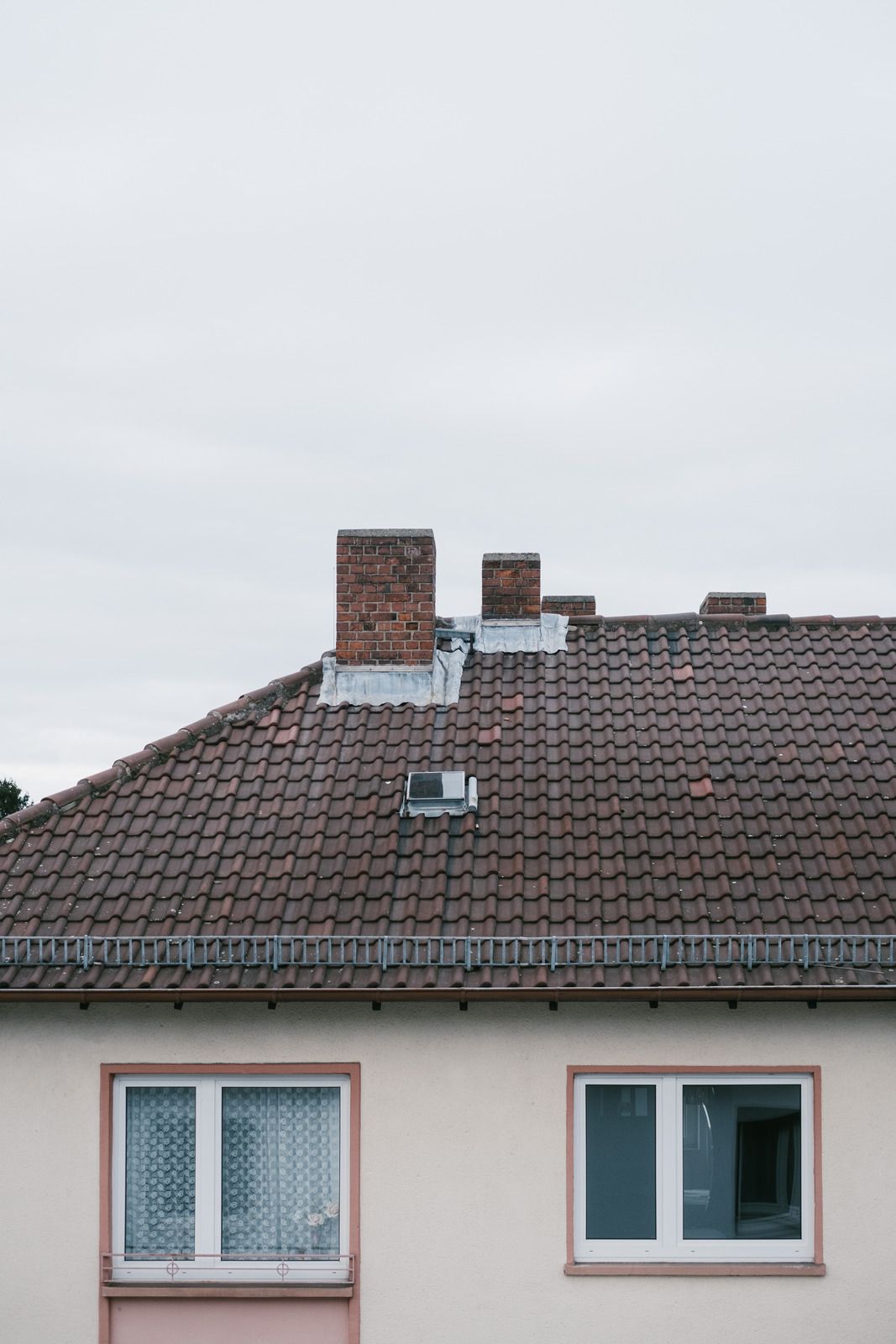
1. What a Biocide Actually Does
A biocide is a treatment designed to kill living organisms, in this case the moss, algae, and lichen that colonise a roof. It's applied as a fine spray at low pressure, so it soaks into the surface and the joints between slates without any of the force that damages tiles. Once it's on, it gets to work on the spores and root systems you can't see.
The point is that cleaning alone is only half the job. When you strip moss off a Manchester roof, the surface looks bare, but it's still seeded with the spores that grew it in the first place. The biocide clears those out, so the roof isn't just clean on the day, it's actually reset.
2. Why Manchester Roofs Regrow So Fast
Few places in the country give moss and algae a better home than Greater Manchester. The Pennines to the east wring extra rain out of the clouds as they rise, so the city sits under grey, damp skies for a big chunk of the year. That moisture is exactly what these organisms need to spread.
Add in the shaded, north-facing slopes on the tightly packed terraces of areas like Rusholme and Levenshulme, where the sun barely reaches the slate, and you've got a surface that almost never fully dries out. Without a biocide, a cleaned roof in these conditions can green over again within a year or two. The treatment is what slows that cycle right down.
3. How It Keeps Working After the Clean
The clever bit about a biocide is that it carries on doing its job long after the crew has packed up. It doesn't just kill what's there on the day, it leaves the surface hostile to new growth for months to come. Fresh spores that land on the slate struggle to take hold while the treatment is active.
On a typical Manchester slate roof, that can mean the difference between cleaning every couple of years and cleaning once every several years. Rain gradually washes the treated surface, and over the following weeks any dead moss loosens and drops away or gets rinsed off naturally, leaving the slate looking steadily better rather than instantly bare.
4. Biocide as Part of a Soft Wash
Soft washing is the method that ties this all together. Instead of blasting the roof with a high-pressure jet, which can crack the century-old Welsh slate common across Manchester's terraces, a soft wash uses low-pressure water and a biocide treatment to lift the growth and kill the spores gently. It's the approach that suits older, more fragile roofs.
For a homeowner in a leafy suburb like Didsbury or Chorlton, where big street trees drop shade and debris onto the roof all year, that gentler method matters. You get the moss gone and the surface treated in one go, without the risk of forcing water under the slates or knocking the mortar loose along the ridge.
5. What Results You Can Realistically Expect
Be clear-eyed about the timeline. A biocide doesn't strip a roof bright and clean in an afternoon the way a pressure washer appears to. Instead, the treated moss dies off and the roof lightens over the weeks that follow as Manchester's rain does the rinsing for you. Patience pays off with a finish that's kinder to the slate.
What you can count on is a much longer gap before the green returns. The exact length depends on how shaded your roof is and how much tree cover sits over it, but a properly treated roof stays clean far longer than one that's only been scraped. That's the whole value of the treatment.
6. When to Have It Reapplied
No treatment lasts forever, and eventually the biocide's effect fades and spores start to find a footing again. The trick is to top it up before the moss gets thick rather than waiting for a full regrowth. A quick reapplication is far less work than starting from a heavily overgrown roof.
How often depends on your setting. A sun-starved terrace roof hemmed in by taller buildings in inner Manchester will need attention sooner than an open, south-facing roof in the suburbs. A professional who knows local conditions can look at your roof and tell you roughly where you sit and when a refresh makes sense.
- Kills the spores: Clears the microscopic growth that cleaning alone leaves behind on the slate.
- Low pressure: Applied as a gentle spray, so it never cracks old Welsh slate or forces water under tiles.
- Keeps working: Stays active for months, slowing new growth long after the clean.
- Suits shade: Especially valuable on the damp, north-facing slopes common across Manchester.
- Extends the gap: Pushes the next full clean from a couple of years out to several.
Frequently Asked Questions
Is a biocide treatment safe for my roof and garden?
Applied properly by an experienced hand, it targets the moss and algae without harming the slate. A careful crew keeps overspray off your planting and rinses down surfaces where needed.
How long before I see my roof looking clean?
Not straight away, and that's normal. The treated moss dies over the following weeks and Manchester's rain gradually washes it clear, so the roof lightens steadily rather than all at once.
Does the treatment replace cleaning the moss off?
They work together. Heavy moss is usually cleared first, then the biocide is applied to kill what remains and stop it coming back, which is why the two are done as one job.
How often will I need it redone in Manchester?
It varies with how shaded and tree-covered your roof is, but a treated roof holds off regrowth far longer than an untreated one. A local roofer can judge your setting and suggest a sensible interval.
Can I buy a biocide and do it myself?
Products exist, but applying them evenly across a wet, sloping Manchester roof is both awkward and genuinely risky. Getting it done alongside a proper clean by someone with the right access gear is far safer and more thorough.
Want your roof clean to actually last?
Ben's Roof Cleaning offers roof cleaning, moss removal, and gutter cleaning across Manchester and Greater Manchester, with over 15 years of experience. Get in touch or call 0161 388 3239
for a free, no-obligation quote.
The Treatment Is What Makes the Clean Worth Paying For
A roof clean without a biocide is a bit like painting over damp, it looks right for a while but the problem is still underneath waiting to come back. In a climate as wet as Manchester's, that treatment is the part that turns a quick fix into a lasting result. Ask about it whenever you have your roof cleaned, because it's the step that decides whether you're doing this again next year or years from now.