Lichen on Your Roof and Why It's So Stubborn
You've got moss under control, the algae streaks have gone, but there are still these crusty, pale patches clinging to your slates that just won't budge. That's lichen, and if it feels like the most stubborn thing on your roof, you're not imagining it. Of all the growth that settles on a Manchester roof, lichen is the one that digs in hardest.
It looks different to moss and algae, more like flattened, greyish-green scabs stuck fast to the tile, and it behaves differently too. Scrape at it and you'll often take a bit of the slate surface with it before the lichen lets go. Understanding why it's so tenacious is the first step to dealing with it without wrecking your roof.
The quick answer: Lichen is a tough, slow-growing organism that bonds tightly to the roof surface and even etches into it, so it can't be scrubbed off easily and needs a biocide treatment to break it down gradually.
1. What Lichen Actually Is
Lichen isn't a single plant, it's a partnership between a fungus and an alga living together as one organism. The fungus gives it structure and grips the surface, while the alga makes food from sunlight. That combination makes lichen remarkably hardy, able to survive conditions that would see off other growth.
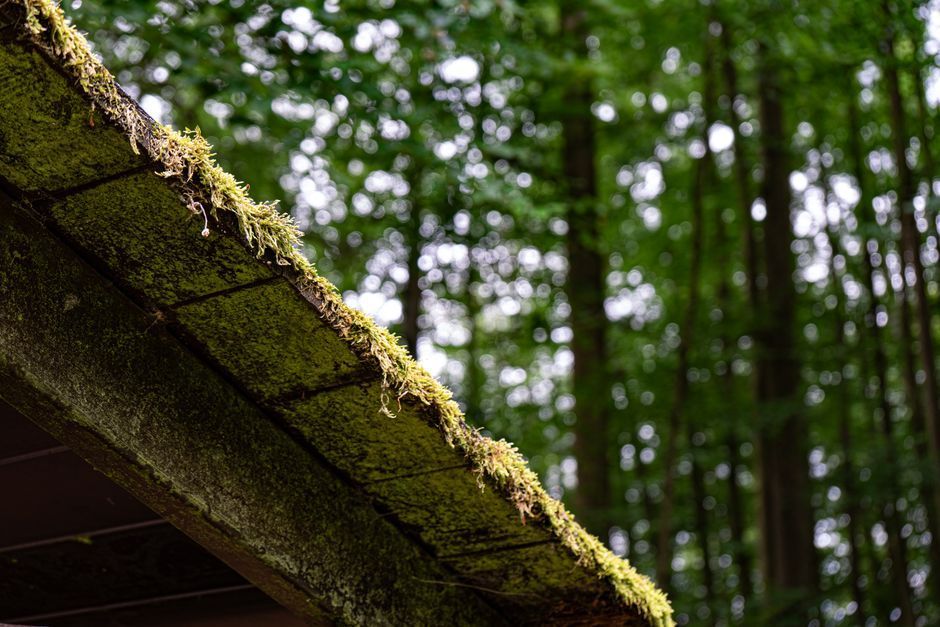
On a roof it shows up as those crusty, leafy, or almost powdery patches, usually grey, pale green, or sometimes a yellowish tinge. It's a familiar sight on the older slate roofs across Manchester, where the surfaces are weathered and the air stays damp enough to keep the lichen fed and happy for decades.
2. Why It Grips So Tightly
The reason lichen is so hard to shift comes down to how it anchors itself. The fungal part sends out tiny root-like threads that work into every pore and imperfection in the tile surface. On old, slightly rough slate, there are plenty of those to grip, so the lichen effectively locks itself on.
Worse, some lichens produce mild acids that etch very slightly into the surface over time, deepening their hold. That's why a stiff brush barely touches established lichen and why blasting at it tends to damage the slate before the lichen surrenders. It isn't sitting on the roof so much as bonded into it.
3. Why Manchester Roofs Grow So Much of It
Lichen loves clean, damp air, and Manchester delivers plenty of moisture. The city sits under grey, wet skies for much of the year, with the Pennines squeezing extra rain from the clouds, and that steady dampness is exactly what keeps lichen thriving on the tiles rather than drying out and dying back.
The age of the housing helps too. Many of the terraces around Levenshulme, Rusholme, and Withington wear original Welsh slate that's been up for well over a century. Those old, weathered surfaces give lichen the rough, porous footing it needs, so on Manchester's period roofs you'll often find it well established.
4. Is Lichen Damaging Your Roof
Lichen is slow-growing, so it won't destroy a roof overnight, but it isn't harmless either. As it works into the tile surface, it can, over many years, contribute to the slow breakdown of the slate, and the patches hold moisture against the tile just as moss does. On an already ageing roof, that added wear matters.
There's a knock-on effect too. Lichen makes the surface rougher, which gives moss and algae even more to cling to, so a lichen-covered roof tends to gather other growth more readily. Clearing it isn't just about looks, it's about slowing the general decline of an old Manchester roof.
5. Why Scrubbing and Blasting Fail
The instinct is to attack lichen with brute force, but that's where roofs get ruined. Because the lichen is bonded into the surface, a wire brush or a pressure washer has to damage the top layer of the slate to remove it. On century-old Welsh slate, that's the last thing you want, as it weakens tiles that have years of life left.
Pressure washing brings the extra risk of forcing water up under the slates, where it causes leaks, and it still leaves the lichen's roots behind to regrow. So you get a damaged, wetter roof and the lichen creeping back anyway. Force simply isn't the answer with something bonded this tightly.
6. The Right Way to Tackle Lichen
Patience and the right treatment win where force fails. A soft wash, using low-pressure water and a biocide treatment, is the sensible approach. The biocide kills the lichen at its root, and once it's dead the patches gradually loosen and weather off the roof over the following weeks and months rather than needing to be gouged away.
It's a slower result than the instant, if damaging, effect of a pressure washer, but it's far kinder to the old slate common across Manchester. The treatment also tackles the moss and algae at the same time and, because the biocide keeps working, slows how quickly everything returns. For a stubborn coloniser like lichen, that patient method is the one that actually holds up.
- A dual organism: Lichen is a fungus and alga combined, which makes it exceptionally hardy.
- Roots into the tile: Fungal threads work into every pore of old slate, locking it on.
- Loves damp air: Manchester's wet climate and aged slate roofs keep it thriving.
- Roughens the surface: It gives moss and algae more to grip, gathering further growth.
- Biocide, not brute force: Killing it and letting it weather off protects the slate underneath.
Frequently Asked Questions
What's the difference between lichen and moss?
Moss forms soft, raised green cushions, while lichen is a flatter, crustier grey-green patch bonded tightly to the surface. Lichen is far harder to remove because it roots into the tile rather than sitting on top.
Will lichen ruin my roof?
Not quickly, as it grows slowly, but over many years it can wear into the slate and hold damp against it. On an ageing Manchester roof, clearing it helps slow that decline and stops it inviting more growth.
Can I just scrape the lichen off myself?
Scraping tends to take the slate surface with it because the lichen is bonded in, and it leaves the roots to regrow. A biocide treatment that kills it and lets it weather off is much safer for the tiles.
Why does pressure washing make things worse?
The force needed to remove bonded lichen damages old slate and can drive water under the tiles, causing leaks, while still leaving the roots behind. You end up with a harmed roof and returning lichen.
How long does it take for lichen to clear after treatment?
It's gradual. Once the biocide has killed it, the dead lichen loosens and weathers off over weeks and months as Manchester's rain does the work, so the roof keeps improving rather than clearing all at once.
Struggling with stubborn lichen on your roof?
Ben's Roof Cleaning offers roof cleaning, moss removal, and gutter cleaning across Manchester and Greater Manchester, with over 15 years of experience. Get in touch or call 0161 388 3239
for a free, no-obligation quote.
Stubborn Growth Needs a Patient Fix
Lichen earns its reputation as the most obstinate thing on your roof, bonded so tightly that no amount of scrubbing shifts it cleanly. The trick is to stop fighting it with force and let a proper biocide treatment do the work over time, protecting the old slate underneath in the process. On a damp Manchester roof where lichen thrives, that patient approach is what keeps the tiles sound and the growth at bay.