Cleaning Moss Off a Flat or Low-Pitch Roof
If your extension, garage, or dormer has a flat or shallow roof, you've probably noticed it turns green far faster than the pitched slate up top. One damp Manchester autumn and the surface is spotted with moss, and by spring it can look like a lawn. It's frustrating, because a low roof is the part of the house you actually see from the garden or the back bedroom window.
The reason is simple. Water clears a steep roof quickly, but on a flat or low-pitch surface it lingers, and moss loves nothing more than damp that never really dries. This city gives it plenty of chances. Here's what's going on up there and how to get the growth off without doing more harm than the moss ever would.
The quick answer: Clear a flat or low-pitch roof by gently removing the moss by hand or with soft brushing, then treating the surface with a biocide so it stays clean, never by blasting it with a pressure washer.

1. Why Flat Roofs Grow Moss So Fast
Water is the whole story. A pitched roof sheds rain in seconds, but a flat roof holds it in shallow puddles and slow-moving films that take hours to drain. In a place like Manchester, where the rain rolls in off the Pennines and the air stays damp for days, that surface barely gets a chance to dry out between showers.
Moss spores are always floating around, and they settle happily on anything that stays wet. Add a bit of grit and leaf litter for them to root into, and you've got a green carpet forming. The flat roofs over kitchen extensions and garages in suburbs like Chorlton and Levenshulme are classic examples, sitting low, shaded by fences and trees, and permanently a little bit soggy.
2. The Damage Moss Actually Causes Down There
People assume moss is just untidy, but on a flat roof it does real harm. It acts like a sponge, holding water against the felt, EPDM, or fibreglass covering long after the rain has stopped. That constant moisture speeds up the ageing of the material and finds its way into any small split or seam.
On a low-pitch roof it also blocks the shallow drainage channels and outlets that the whole design relies on. Once water can't run off to the gutter, it pools, and pooling water is how flat roofs start to leak. A garage roof in Didsbury that's held a moss layer for a couple of winters will often show damp patches on the ceiling below before the owner ever looks up top.
3. Why Pressure Washing Is the Wrong Tool
It's tempting to point a pressure washer at the green and watch it disappear, and plenty of people try. The trouble is that flat and low-pitch coverings are far more delicate than they look. A jet strong enough to strip moss will lift the edges of felt, force water under seams, and score soft surfaces like fibreglass.
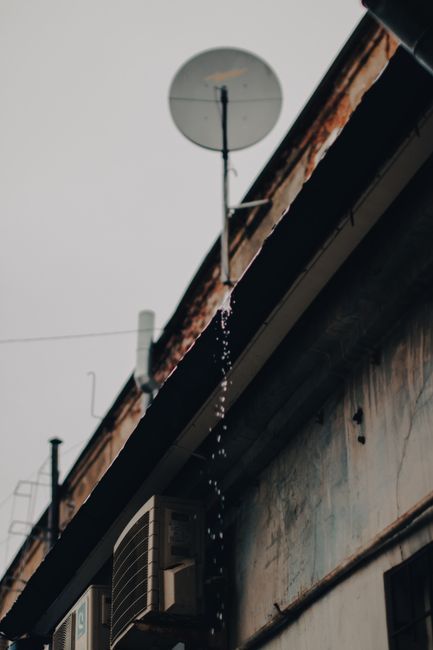
Once water gets under the covering, it has nowhere to go on a flat roof, and you've turned a cosmetic problem into a leak. This is why soft washing is the sensible route. You lift the moss gently, then let a low-pressure biocide treatment do the slow work of killing off what's left, rather than trying to win the job in ten violent minutes.
4. Clearing the Moss the Safe Way
The safe method starts with removing the bulk of the growth by hand or with a soft brush, working gently so you don't gouge the surface. On a felt or rubber roof you want to lift the moss, not scrub the covering raw. Getting the loose material off first means the treatment that follows can actually reach the roof.
Access is the part people underestimate. Even a low roof needs proper footing and care, and a wet flat roof in a Withington back garden is slippery in a way that catches people out every autumn. Spreading your weight and never standing on a soft or spongy patch matters, because that softness usually means the covering underneath is already weak.
5. Treating the Surface So It Stays Clear
Once the moss is off, the roof looks clean, but the spores that started the problem are still in the air and still landing. That's where a biocide treatment earns its place. A low-pressure application soaks into the surface and keeps killing regrowth for months after the visible moss has gone.
This step is what turns a one-off clean into something that lasts. Without it, a shaded flat roof in a rainy suburb can green over again within a year. With it, you're looking at a surface that stays clear far longer, which matters when the roof in question sits right outside a window you look through every day.
6. Keeping a Low Roof Clean Year to Year
A flat roof rewards a bit of routine attention. Keeping nearby gutters and outlets clear means water actually drains instead of sitting, and clearing leaves in autumn stops the grit that moss roots into from building up in the first place. Overhanging branches from a leafy street are worth cutting back where you can.
A quick look a couple of times a year tells you a lot. If you spot green creeping back or water sitting after rain, it's easier and cheaper to deal with early. Leave it through a few Manchester winters and you're back to a full clean, so the small checks pay off.
- Standing water: Flat and low-pitch roofs drain slowly, so moss gets the constant damp it needs to spread.
- Hidden damage: Moss holds moisture against the covering and blocks outlets, which leads to pooling and leaks.
- No pressure washing: A jet lifts seams and forces water under the surface, turning a cosmetic issue into a real one.
- Soft washing works: Gentle removal plus a biocide treatment clears the moss without stressing the roof.
- Routine checks: Clearing outlets, leaves, and overhanging branches keeps a low roof cleaner for longer.
Frequently Asked Questions
Can I just leave the moss on my flat roof?
It's best not to. On a flat or low-pitch roof the moss traps water against the covering and blocks drainage, which is how leaks start, so it's worth clearing rather than ignoring.
Is soft washing safe for a felt or rubber roof?
Yes. Soft washing uses low pressure and a biocide rather than force, so it clears growth without lifting seams or scoring the surface the way a pressure washer would.
How often does a low roof need doing in Manchester?
It varies with shade and rainfall, but many flat roofs here benefit from attention every year or two. A shaded garage roof under trees may green over faster than one in the open.
Why does my extension roof go green but the main roof doesn't?
Because it's flatter and lower. Rain clears a steep pitched roof quickly, while a shallow surface holds moisture far longer, giving moss the damp conditions it needs.
Does the biocide treatment stain the roof?
No. A proper low-pressure biocide is applied to soak into the surface and kill regrowth, and it works quietly in the background without discolouring the covering.
Got a mossy flat or garage roof that needs sorting?
Ben's Roof Cleaning clears moss safely from flat and low-pitch roofs across Manchester and Greater Manchester, with over 15 years of experience. Get in touch or call 0161 388 3239
for a free, no-obligation quote.
A Low Roof Deserves the Gentle Treatment
The flat and low-pitch roofs on your extension, garage, or dormer take the worst of Manchester's damp and show it fastest, but they're also the easiest to damage with the wrong approach. Clearing the moss gently and treating the surface afterwards keeps them sound and keeps that green view outside your window from coming back every year.