Those Black Streaks on Your Roof: What the Algae Really Is
You've noticed dark streaks running down your roof, and from the street they look like dirt or staining that a good rinse would shift. They won't shift, though, no matter how much rain we get, and in Manchester we get plenty. Those streaks aren't grime at all, they're alive.
What you're looking at is algae, a living growth that has taken hold on the surface of your tiles. It's incredibly common on roofs across the city, and while it looks like a cosmetic annoyance, it's a sign your roof is holding the kind of damp that other, more damaging growth loves too. Understanding what it is makes it a lot easier to deal with.
The quick answer: Those black streaks are algae, a living organism that feeds on the roof surface and thrives in damp, shaded conditions, and it needs a proper clean with a biocide treatment to remove it and keep it from coming back.
1. What the Black Streaks Actually Are
The dark staining is a type of algae, and it spreads across the roof as a thin film rather than the raised cushions you get with moss. It feeds on the surface of the tiles and on the airborne dust and organic matter that settles there, which is why it keeps expanding once it takes hold.
Because it's alive, you can't simply wash it off the way you'd rinse away mud. The streaks are colonies rooted into the surface, and a quick blast of water just knocks the top layer back for a week or two before it returns. That's the frustration people run into when they try to sort it themselves.
2. Why It Runs in Streaks
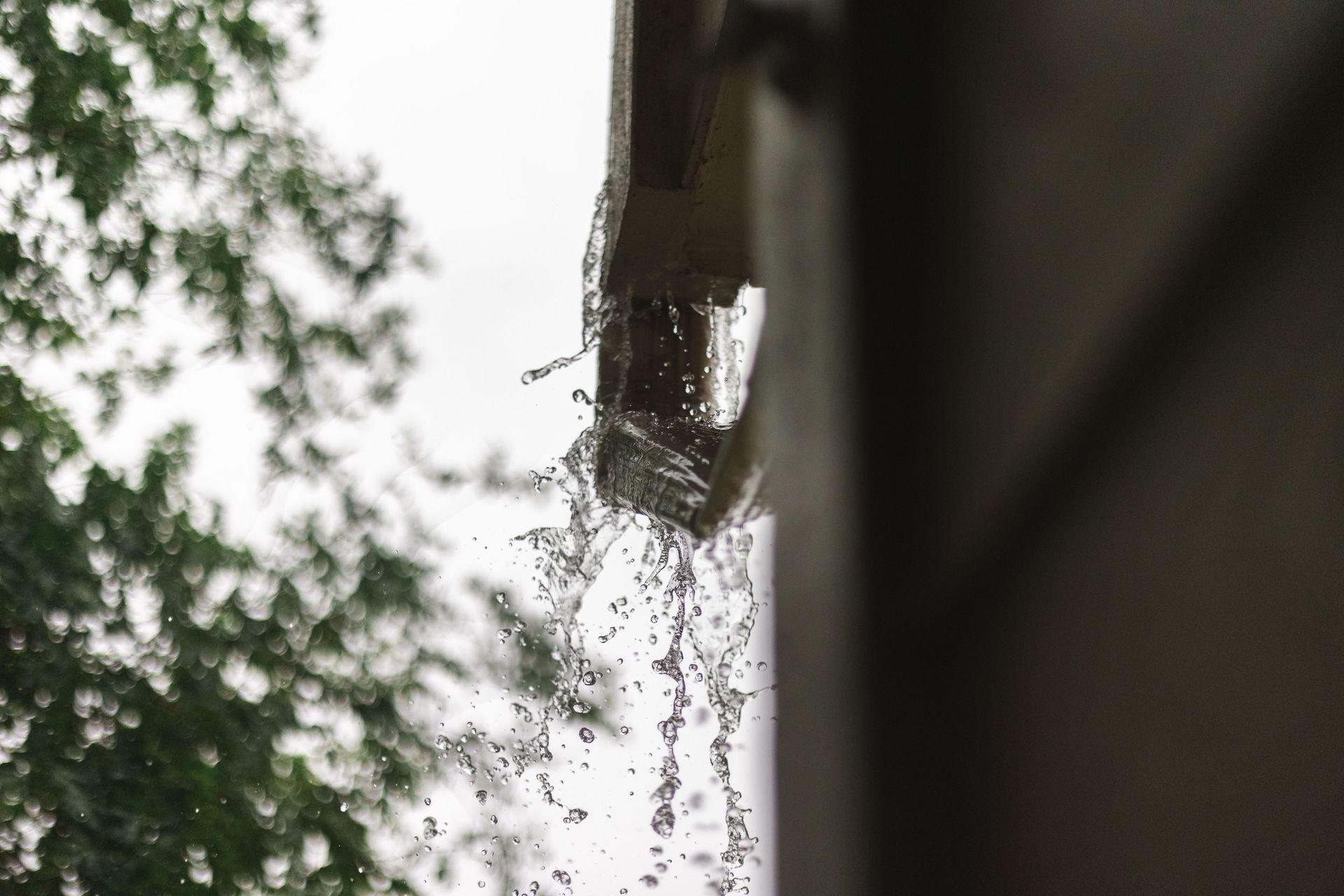
There's a reason the growth appears as long vertical streaks rather than random patches. Algae spores get carried by the wind and land on the roof, then rainwater running down the slope drags them along a path as it flows. The streaks follow the way water moves off your roof.
You'll often see it worst below chimneys, vents, or anywhere water is channelled and slowed. On Manchester's terraces, where roofs sit close together and the rain rarely lets up, those channels stay damp for long stretches, giving the algae exactly the wet, steady conditions it needs to march down the tiles.
3. Why Manchester Roofs Get It So Badly
Algae needs moisture above almost everything else, and Manchester supplies that in abundance. The city's reputation as the rainy one is well earned, with damp air rolling in and the Pennines squeezing out extra rain as the clouds climb over them. A roof here rarely gets the long dry spells that would keep algae in check.
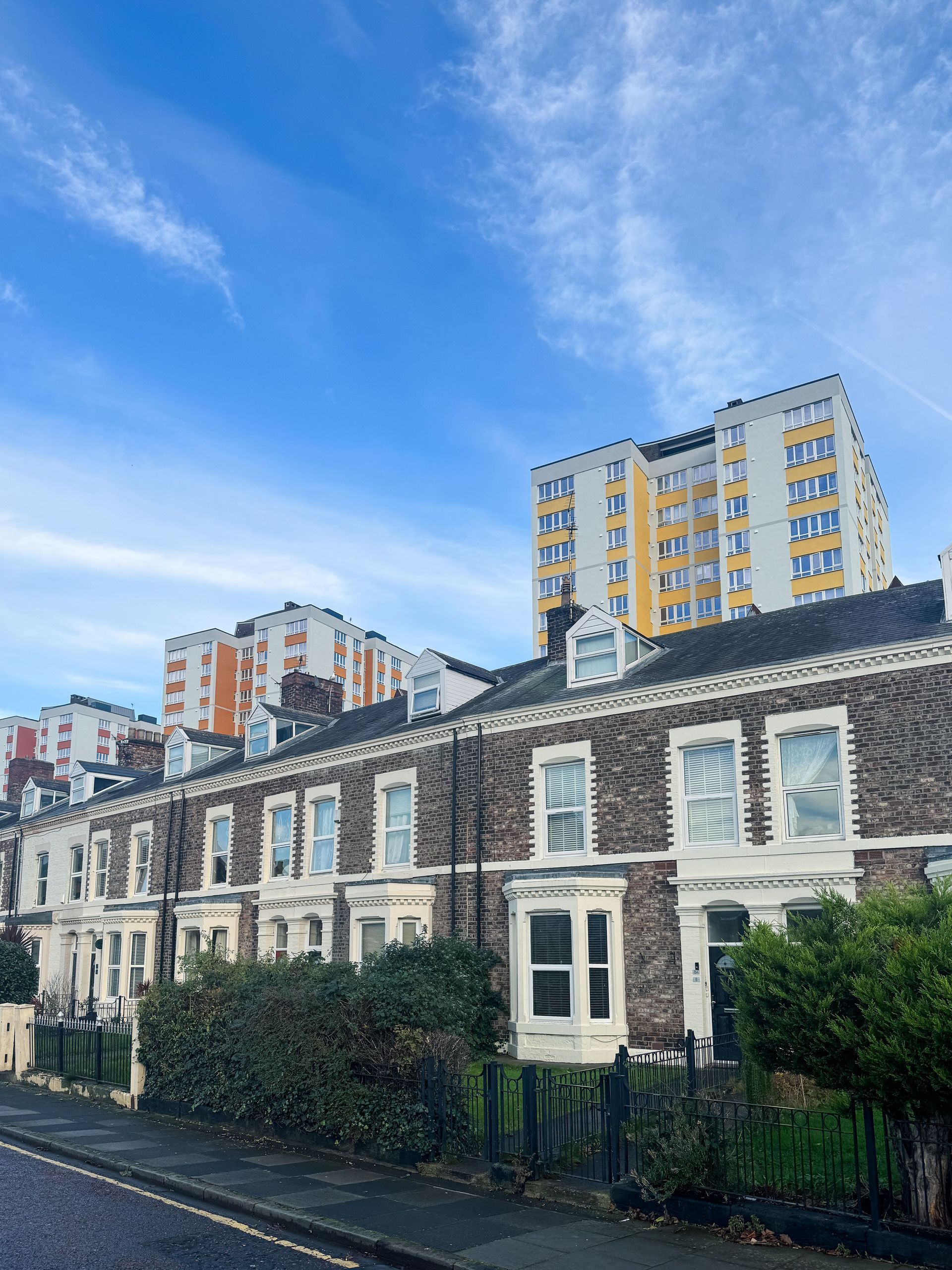
Shade makes it worse. The tightly packed streets of areas like Levenshulme and Rusholme leave many roofs, especially the north-facing slopes, sitting in shadow for much of the day. Without direct sun to dry the surface, the tiles stay damp, and damp tiles are a standing invitation for algae to spread.
4. Is It Actually Harming the Roof
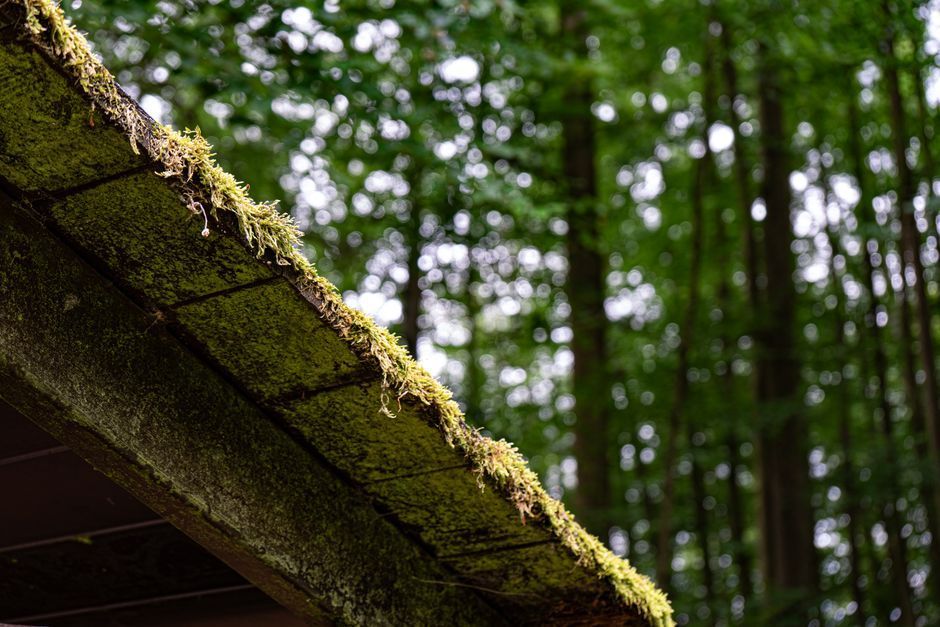
Algae on its own is mostly a surface problem, and it won't eat through your slate overnight the way people sometimes fear. What it really tells you is that your roof is staying wet, and that same persistent damp is what encourages moss and lichen, which do cause real trouble by holding water and prising at the tiles.
So the streaks are best read as a warning sign. A roof covered in algae is a roof that isn't drying out, and left alone it tends to gather more growth over time. Dealing with the algae also means tackling the damp conditions behind it, which protects the roof from the more damaging stuff.
5. Why Pressure Washing Is the Wrong Fix
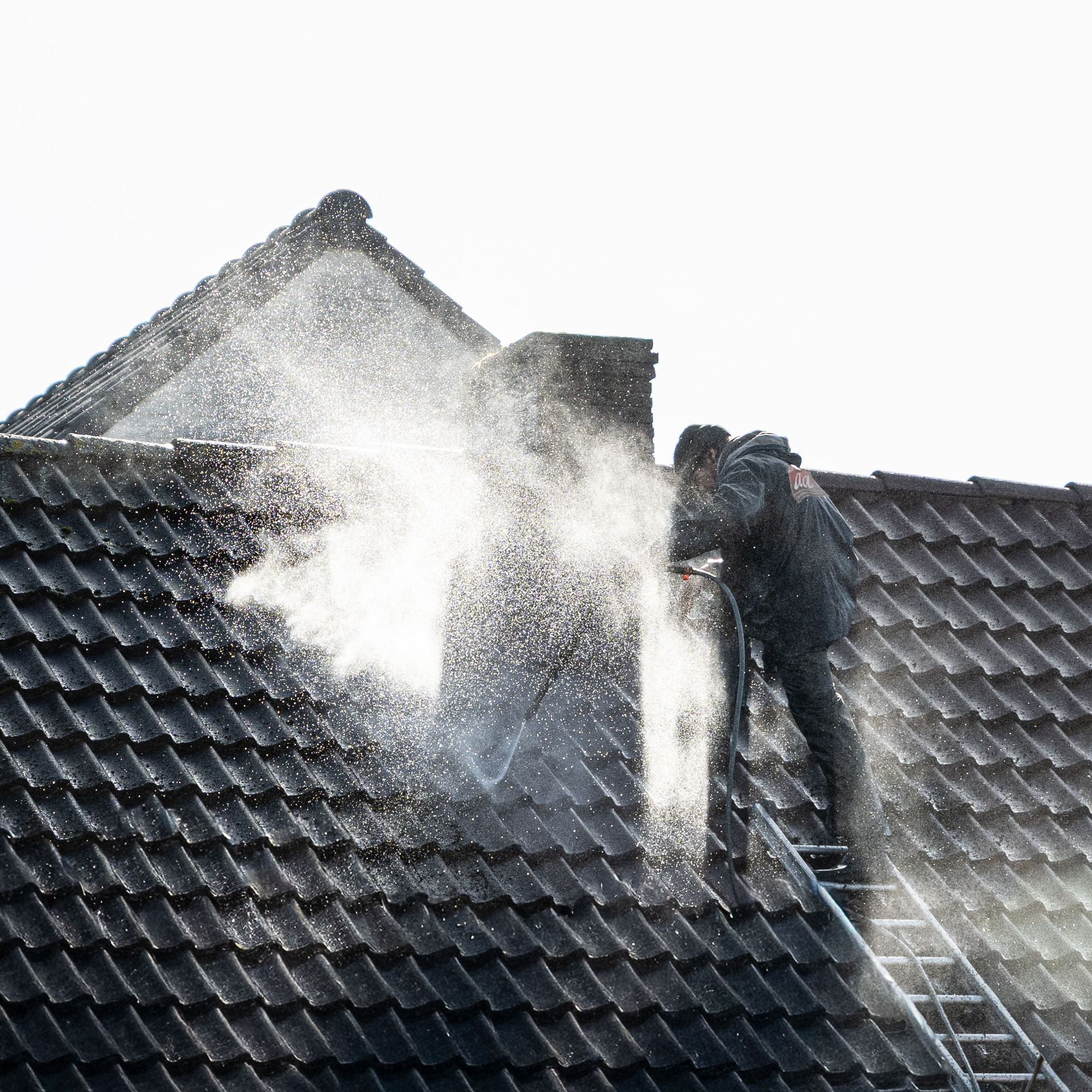
It's tempting to point a pressure washer at those streaks and blast them away, and for a moment it seems to work. The problem is the force. A high-pressure jet can crack and dislodge the century-old Welsh slate found on so many Manchester roofs, and it can drive water up under the tiles where it causes leaks.
It also doesn't solve anything for long. Pressure washing strips the surface film but leaves the spores behind, so the algae simply grows back. You end up with a roof that's been through a battering for a result that fades within months, which is the worst of both worlds on an older roof.
6. The Right Way to Clear It
The method that works is a soft wash. This uses low-pressure water together with a biocide treatment, which kills the algae at the root rather than just knocking off the surface. The low pressure means the fragile slate on Manchester's older homes stays intact, with no cracking and no water forced underneath.
The biocide is the part that makes it last. By killing the spores as well as the visible growth, it slows how quickly the algae returns, so your roof stays clear for far longer than a quick blast ever manages. In a climate this damp, that lasting protection is what you actually want from the job.
- It's alive: The streaks are algae colonies, not dirt, so a rinse won't remove them.
- Follows the water: Streaks run down the roof along the path rainwater takes off the tiles.
- Loves damp and shade: Manchester's rain and shaded terrace roofs are ideal conditions.
- A warning sign: Algae shows the roof stays wet, which invites more damaging moss and lichen.
- Soft wash works: Low pressure plus a biocide kills it at the root without harming slate.
Frequently Asked Questions
Are the black streaks the same as moss?
No, they're different growths. Algae spreads as a flat black or green film that streaks down the roof, while moss forms raised green cushions. They often appear together because both love the same damp conditions.
Will the algae damage my tiles if I leave it?
The algae itself is mainly a surface issue, but it signals a roof that stays wet, and that damp invites moss and lichen which do cause damage. Clearing it early keeps the more harmful growth from taking over.
Can't I just wash the streaks off myself?
A rinse only removes the top layer and it grows straight back, because the algae is rooted in the surface. Getting rid of it properly means a biocide treatment that kills the spores, not just a wash.
Why does my north-facing roof have more streaks?
North-facing slopes get the least sun, so they stay damp longest, especially on Manchester's shaded terraces. Algae thrives on that constant moisture, which is why the shaded side is usually the worst affected.
How long before the streaks come back after cleaning?
With a biocide treatment as part of a soft wash, regrowth is much slower and the roof stays clear for years rather than months. How long depends on how shaded and damp your particular roof is.
Want those black streaks gone for good?
Ben's Roof Cleaning offers roof cleaning, moss removal, and gutter cleaning across Manchester and Greater Manchester, with over 15 years of experience. Get in touch or call 0161 388 3239
for a free, no-obligation quote.
Those Streaks Are Telling You Something
The black marks running down your roof aren't just an eyesore, they're a living sign that your roof is holding damp in a city that never seems to stop raining. Read them as the early warning they are, and dealing with them becomes simple rather than daunting. Clear the algae properly with a soft wash and a biocide, and you keep your roof looking right and heading off the more damaging growth before it starts.