What Happens During a Soft Wash, Step by Step
You've booked a roof clean, or you're thinking about it, and you want to know what's actually going to happen up there. It's a fair question, because "soft washing" sounds vague and you're the one paying for it. Nobody wants a stranger on a ladder doing something they can't see or understand.
The good news is that a proper soft wash follows a clear order, and none of it is mysterious once you know the steps. Here's exactly how the job runs on a typical Manchester roof, from the first look up top to the treatment that keeps it clean long after the van has gone.
The quick answer: A soft wash means inspecting the roof, clearing the gutters, removing moss by hand and with gentle tools, rinsing at low pressure, then applying a biocide that carries on killing regrowth for months.
1. The Inspection Before Anything Starts
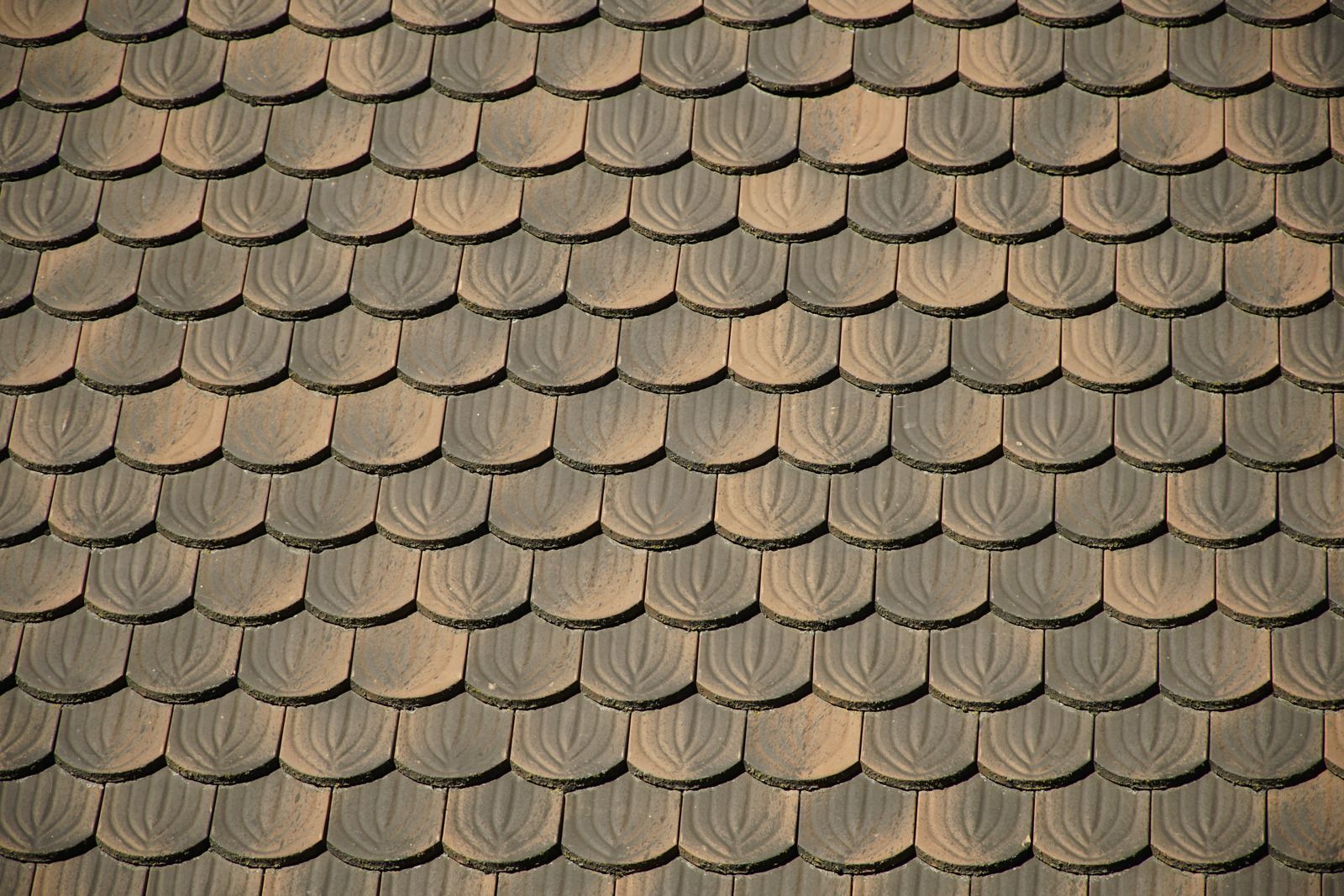
Every good clean starts with a proper look, not a ladder and a hose. The roof gets checked for cracked or slipped tiles, worn mortar, loose flashing, and how much moss has actually taken hold. On the old Welsh slate you find across Manchester terraces, this matters, because century-old slate needs a gentler hand than modern concrete tiles.
This first step also decides the plan. A north-facing roof in Chorlton, shaded and thick with moss, needs a different approach than a sunnier front slope with just a bit of algae. Knowing what's up there before starting means no nasty surprises halfway through the job.
2. Clearing the Gutters First
The gutters get done early, and there's a reason for the order. Removing moss from the roof sends a lot of debris downward, so clearing the gutters first, or handling them as part of the flow, stops the whole lot from washing straight into a fresh blockage.
In Manchester's rain this is not a small detail. Gutters that overflow send water down the brickwork, and the red-brick terraces here soak it up quickly. Clearing them as part of the job means the water that comes off the roof during the wash actually goes where it should.
3. Removing the Moss by Hand
This is the part people picture, and it's more careful than they expect. The bulk of the moss comes off by hand and with gentle tools, worked down the slope so nothing gets forced under the tiles. Thick clumps in the valleys and along the ridge get lifted rather than blasted.
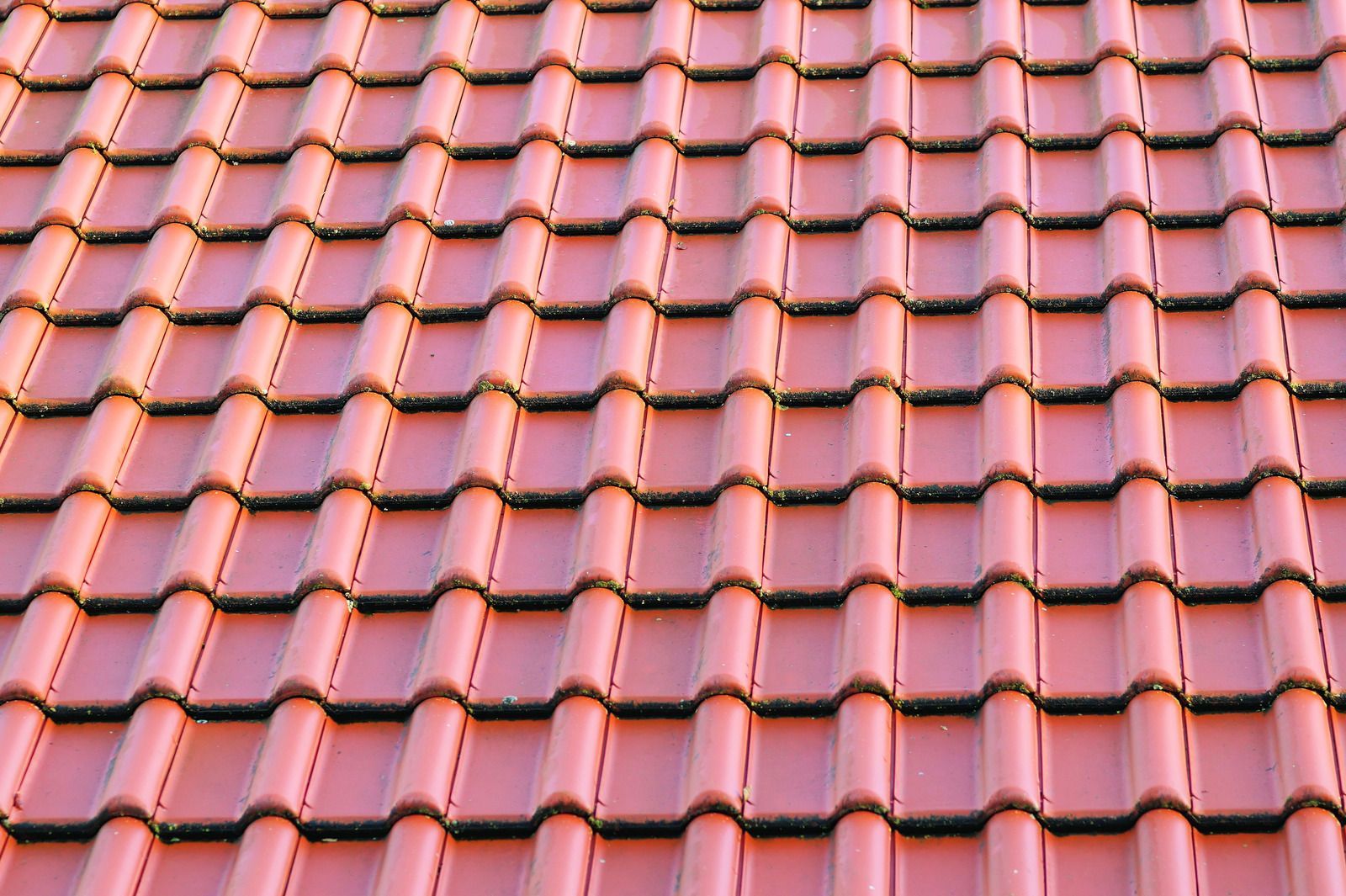
Doing it this way protects the roof. A heavy layer of moss on a shaded Didsbury roof can be surprisingly deep, and pulling it off gently means the tiles and the surface underneath come through undamaged. It's slower than a pressure washer, but it's the difference between cleaning a roof and wearing it out.
4. The Low-Pressure Rinse
Once the moss is off, the roof gets a low-pressure rinse to clear the loose bits and dirt that hand removal leaves behind. The key word is low. This is nothing like the jet-wash you might use on a patio, and that gentleness is deliberate.
A high-pressure jet on a Manchester roof would strip the surface off aged slate, drive water under the tiles, and leave you worse off than before. The soft approach clears the surface without stressing it, which is exactly what a roof that has stood through decades of Pennine weather needs.
5. Applying the Biocide Treatment
Here's the step that makes the whole thing worthwhile. After the roof is clean, a biocide is applied across the surface at low pressure. It soaks in and keeps killing moss, algae, and lichen spores for months, long after the visible growth has gone.
This is why a soft wash lasts. Without the treatment, the damp Manchester air would start reseeding the roof almost straight away. With it, a roof in a leafy suburb like Withington stays clean far longer, and the green takes much longer to creep back.
6. The Final Check and Tidy
The last step is a walk round and a proper tidy. Fallen moss gets cleared from the garden, paths, and drives, and the roof gets a final look to make sure the valleys, ridge, and edges are all sound and clear. You should be left with a clean roof and a clean garden, not a green mess to sweep up yourself.
This final check also flags anything worth watching, like a slipped tile or tired flashing spotted during the work. On the older housing stock around Rusholme and Levenshulme, that early heads-up can save a much bigger repair down the line.
- Inspection first: The roof is checked for damage and moss levels before any water goes near it.
- Gutters handled: Clearing the gutters as part of the job stops debris causing fresh blockages.
- Gentle removal: Moss comes off by hand and with soft tools, never a high-pressure jet.
- Low-pressure rinse: A soft rinse clears the surface without stripping aged slate or tiles.
- Biocide treatment: The final application keeps killing regrowth for months, so the clean lasts.
Frequently Asked Questions
How long does a soft wash take?
Most homes take a day or less, though it depends on the size of the roof and how much moss there is. A large, heavily mossed roof naturally takes longer than a small, lightly soiled one.
Will the biocide harm my plants?
Applied properly, the treatment is targeted at the roof and handled with care around the garden. A professional takes sensible steps to protect what's below while the work is done.
Why not just use a pressure washer and be done faster?
Because high pressure damages roofs. It strips aged slate, forces water under tiles, and shortens the roof's life, which is why the soft, slower method is the right one.
How soon will I see a difference?
The roof looks clean straight away once the moss is removed and rinsed. The biocide then keeps working in the background, so it stays clean rather than greening straight back over.
Do you need scaffolding for a soft wash?
Not usually. Much of the work is done safely from ladders and with the right access equipment, which keeps the job quicker and less disruptive than a scaffold-heavy approach.
Want your roof soft washed the right way?
Ben's Roof Cleaning carries out safe, thorough soft washing across Manchester and Greater Manchester, with over 15 years of experience. Get in touch or call 0161 388 3239
for a free, no-obligation quote.
Now You Know What You're Paying For
A soft wash is not one quick blast, it's a run of careful steps that clean the roof and then keep it clean. Understanding the order, from the first inspection to the biocide that does the long work, makes it easy to see why the gentle method is worth it on a Manchester roof that has to face this much rain.